

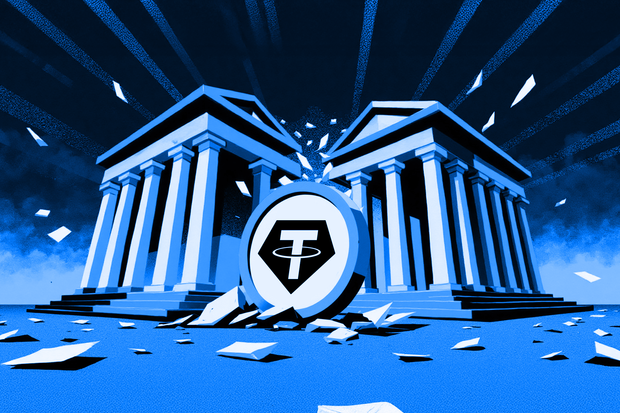
We are living in a financial paradox few dare to say out loud: the modern monetary system depends on debt that keeps growing and that, sooner or later, someone must pay. After the 2008 crisis, governments and central banks abandoned austerity narratives to embrace unlimited monetary expansion. Today, spending more than you earn is no longer an exception but structural policy. The result is a model artificially sustained by constant money creation, with direct consequences for everyday citizens.
This dynamic creates a vicious cycle where inflation acts as a hidden tax. When more money enters the economy, prices rise and savings lose value. Without financial education, most people become trapped in this process, watching their money buy less every year. The risk is that the system continues accumulating debt until confidence breaks, triggering crises similar to or even worse than 2008.
Another concerning factor is the fragility of the banking and financial system. Recent history shows that bailouts for institutions deemed “too big to fail” ultimately socialize losses while privatizing gains. The collateralization of low-quality debt, expansion of private credit, and reliance on central bank liquidity feed a ticking time bomb hidden beneath the surface. Current stability may simply be an artificial extension of the cycle.
In this context, a paradigm shift is emerging: the search for assets independent from political decisions and monetary expansion. Historically, gold and silver served this role. However, the digitalization of the economy has introduced a new alternative: cryptocurrencies and digital assets. These instruments offer a model based on programmed scarcity, transparency, and decentralization, providing protection against inflation and monetary manipulation.
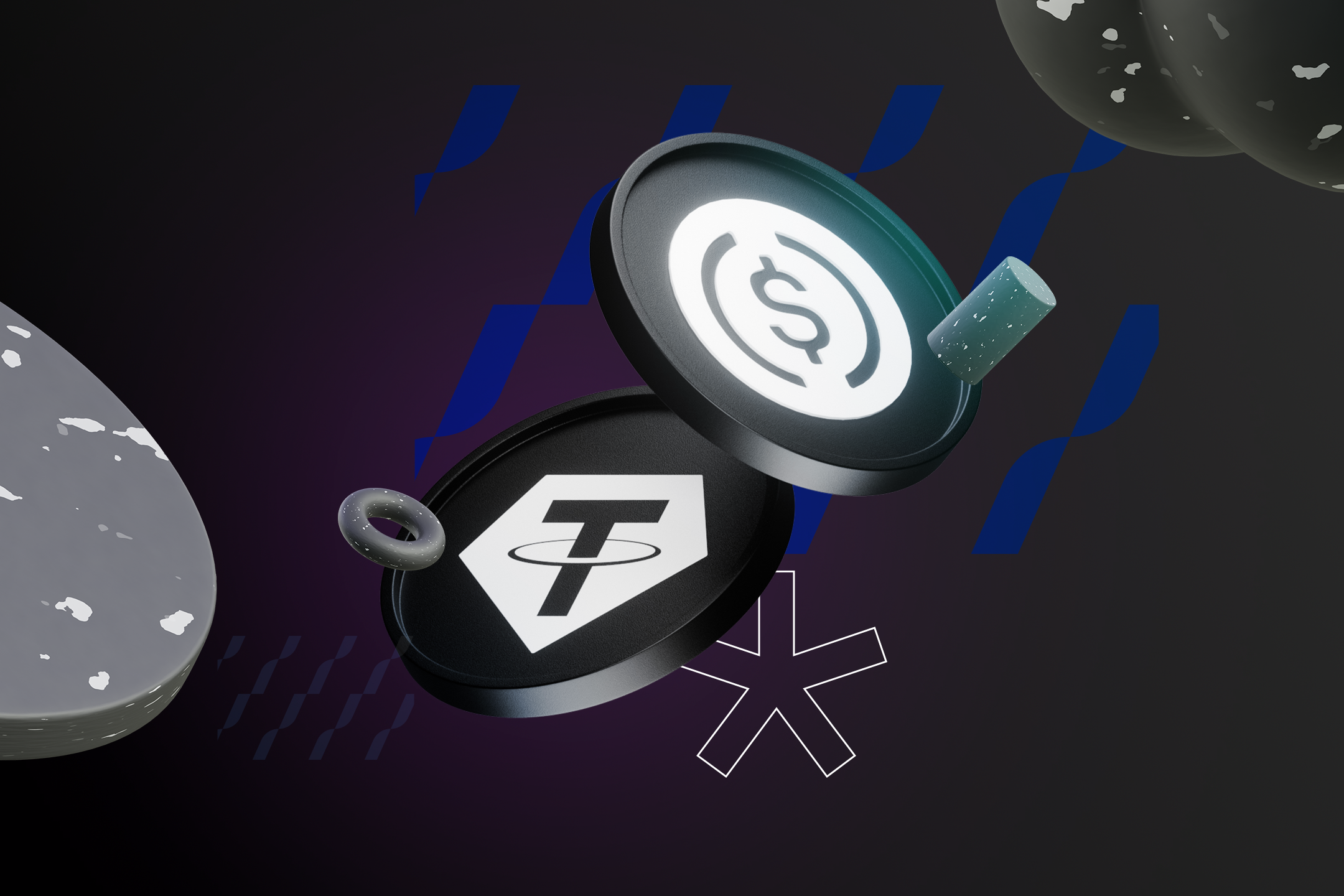
Stablecoins represent a practical evolution for everyday finance. They enable access to stable digital currencies linked to strong fiat currencies, facilitating global payments, digital dollar savings, and protection against local currency volatility. For millions of users, they have become a key tool to preserve value and operate within a global financial system without traditional intermediaries.
The central question is no longer whether the current system faces stress, but how to prepare for it. In an environment of rising debt and inflation eroding savings, cryptocurrencies and stablecoins offer a path to diversify risk and participate in the new digital economy. Platforms like Notbank allow users to access this ecosystem simply and securely, facilitating the transition toward modern financial management.


